The flip side of inspiration

15 August 2026

By Linda Ferguson

Child fell off bike

Do you own a vinyl album? It has two sides. They are not opposites, but they are both related and different. You can think of inspiration as one side of the album. It’s the feel-good side where you seek out the bright spots that support your belief in yourself and your goals.

What’s on the B side of inspiration? I think it’s bloody minded optimism. I was once told there was no hope for what I wanted to do with my business. My response was “then I guess we go on without hope.” That’s bloody minded optimism. To paraphrase a popular slogan, “it feels terrible and it works.”

When famous inventors spent many years on failed attempts before creating the thing that made them famous, they used bloody minded optimism. Every failure felt like failure and they didn’t stop. This is also true of the many people who were working on the same inventions at the same time and did not make it into the history books. What keeps them going is usually not the warm fuzzies of inspiration. It is a willful determination to see the obvious, to hear the criticism, and to keep going anyway.

It takes substantial support to keep picking yourself up and moving forward despite the odds. Despite the memes and clichés of solitary success, you need to know where to find a hug (if only figurative) and compensation (even if its ice cream) while you pick yourself up and reset after a fall. It’s true that you need to believe in yourself and it’s also true that is more likely if someone else cares for you and encourages you.

We all need encouragement and comfort. But we often lose track of the heart of those words. They don’t mean to make someone feel cozy and safe. They mean to make someone brave and strong. They mean you might get a pretty bandaid for your scraped knee but you are also going to be placed right back on the bike.

Who supports your own bloody minded optimism?

Share this post:

Related posts

26 September 2026

Listening at Work

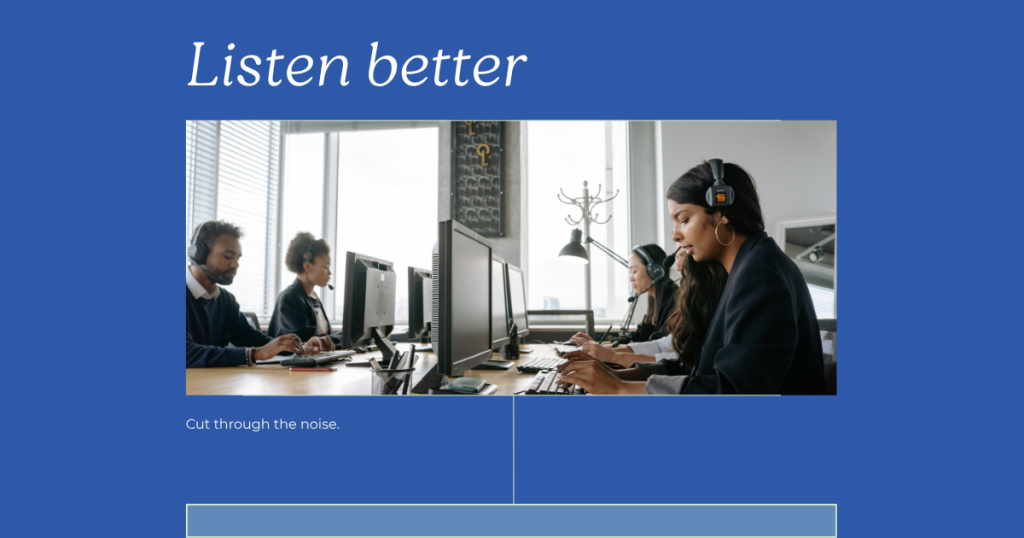
Moving on before you have heard what someone wants to say is not efficient. It leads to misunderstandings and mistakes that have real, measurable costs. Plunging ahead with a message that is incomplete or comes from a different point of view is also not efficient. It ensures that the other person will fill in the blanks with their best guess (which will often not be what you had in mind).
21 August 2026

How much thought do you give the everday?

What if you stop and really notice what you are doing? What if you ask yourself: is this going to achieve something good? What if you test a tiny change? It’s really hard to make big changes in the things we do every day. All our automatic behaviours pull us back into doing what we’ve always done. But a tiny change, chosen to require just a very small amount of willpower, can sneak through the filters. And the next day, because it takes just a very small amount of willpower, you might do it again. Until it becomes a new way of doing.
Child fell off bike
15 August 2026

The flip side of inspiration

When famous inventors spent many years on failed attempts before creating the thing that made them famous, they used bloody minded optimism. Every failure felt like failure and they didn’t stop. This is also true of the many people who were working on the same inventions at the same time and did not make it into the history books. What keeps them going is usually not the warm fuzzies of inspiration. It is a willful determination to see the obvious, to hear the criticism, and to keep going anyway.

The NLP Practitioner Certification Details and Pricing

NLP Canada Training Practitioner Certification


At NLP Canada Training, you’ll work with a community that turns the best evidence into

practical techniques. Ask questions, practice hard, and have fun while you learn to make

change happen in you and around you.

Course Content

The course is structured to allow practice of the four core skills of NLP: managing state; managing rapport and connection; recognizing patterns in language and behaviour; and setting effective intentions and goals. Each day, different aspects of these skills are learned in relation to solving a problem or developing a direction. The course includes recognizing and making the most of emotions, connections, limited resources, stress, negotiation and collaboration, influence, and learning and development.

Pricing

Individual plus Individual Application Sessions (3) $2285 + tax

Individual $1885 + tax

Couples, Groups, Retired Seniors, or Full-Time Students, $1425 + tax per person

NLP Practitioner plus the NLP Master Practitioner, $3285 + tax per person

*Tax is applied depending on the province or country in which you reside.

Payment Plans

We’ll work with you to develop a payment plan you can manage. A deposit of 20% of the course fee is required to secure your registration. This is non-refundable.


Payment can be made in full or by installments (normally 3-5). Installment payments are made through QuickBooks payments. Payment in full can be made by QuickBooks (through your bank or credit card) or by EFT.

Live on Zoom

Training is live on Zoom and you will spend most of your time in a breakout space with one or two other people. Days run from 10:00 AM Eastern to 5:30 PM Eastern (Adjust for your time zone). We never record and we do not allow recording.

Dates for 2026/27

Season


Start

All Session Dates

Summer/Fall 2026

Fri. Sept 11

Fri/Sat/Sun Sept 11/12/13 and Oct 2/3/4 and Oct 17/18

Fall 2026

Fri. Oct 30

Fri/Sat/Sun Oct 30/31/Nov 1 and Fri/Sat/Sun Nov 13/14/15 and Sat/Sun Nov 28/29

Winter 2027

Fri. Jan 22

Fri/Sat/Sun Jan 22/23/24 and Fri/Sat/Sun Feb 5/6/7 and Sat/Sun Feb 20/21

Spring 2027

Fri. Mar 5

Fri/Sat/Sun Mar 5/6/7 and Fri/Sat/Sun Mar 19/20/21 and Sat/Sun Apr 3/4

Late Spring 2027

Fri. Apr 23

Fri/Sat/Sun Apr 23/24/25 and Fri/Sat/Sun May 14/15/16 and Sat/Sun June 5/6


More Questions? Contact us for a free consultation

Email: linda@nlpcanada.com

Office: 416-928-2394

Cell: 289-242-5089


NLP Canada Training Practitioner Certification


At NLP Canada Training, we believe that NLP should continue to develop and evolve in step with the best available evidence from science and related fields. NLP was never meant to be complete: it was meant to grow.


We also take our clients’ time very seriously and use experience and learning science to build programs that allow you to learn a spectrum of skills in a short time. We simplify terminology and concepts so that you can understand and practice in the time available. When our terms differ from other NLP schools, it is because we want you to grasp concepts in language that is already familiar so that you can move more quickly to practice and application.

Course Content

The course is organized first by key applications of NLP, and then by developing skills in the context of those applications.  The eight days of the course cover:


  • An Introduction to NLP
  • Managing States
  • Managing Rapport and Connection
  • Managing Limited Resources
  • Managing Stress
  • Managing Negotiation and Collaboration
  • Leadership and Influence
  • Adaptation and Improvement


Within each of those days, we have organized NLP practices in terms of their effectiveness in managing states, managing rapport, using language and framing, and setting both short-term outcomes and longer-term goals.


You will learn how to calibrate and map states using sensory predicates and submodalities, shift states through well-established NLP patterns like Swish and the Six Step Reframe, use anchoring for both change and influence, choose language to challenge or create specific understandings [Meta Model], and choose language to set up agreements and suggestions through word choice, patterns, and metaphors [Milton Model].


You will also develop a capability for observing feedback loops with other people and with environments, pacing, disrupting and leading, testing and altering behaviours [TOTE] and integrating all parts of you in your behaviours and choices.


Finally, you will refine your ability to set short-term outcomes and longer-term goals through exercises like the Human Face of Change (logical levels) and mental rehearsal of different futures (future pacing).

What We Don’t Cover

There are several things we have pruned from this certification. The first category of things we don’t cover is any early NLP concepts (like stable sensory preferences or eye-accessing cues) that have not yet been supported by evidence outside NLP. 


We have also not included techniques that require clinical presence and move into psychotherapy. These include Parts Integration, the Fast Phobia Cure, and Timelines.


Finally, we cover strategy elicitation, deliberate storytelling for influence, and more detailed modeling in our Master Practitioner course. These are patterns of patterns and best taught after people have attained competence in the core skills.