How do you do it?

12 November 2026

By Linda Ferguson

NLP Canada training session with instructor guiding a learner at a computer.

Have you ever wished that someone you lead, mentor or manage could do something that you do without thinking about it? Maybe you want to help them sell, negotiate, or plan. Maybe you want them to have a conversation that builds connection and shares clear information. They want to know: how do you do it?

Your first instinct is probably to send them for coaching or training. Or if you don’t have that luxury, you might try to teach them the way you remember learning. Neither of those will teach them how you do it now. You will go through the same steps, but you’ll miss the cues that change your tempo, tone, or framing. You won’t know what you are doing automatically while your mind focuses on strategy or content.

These are not just details that get left out. They’re the engine that moves you to results. The people who want to emulate your results know this. They know that they are following the right recipe without getting the right results.

If you don’t know how you are making fast, confident choices within an interaction, you can’t teach it. All you can do is say the things that people always say when they know they’re leaving out the best part: “you’ll figure it out” or “it comes with experience.”

Good training gives people the basics. Great training requires that you go back to training after you have achieved proficiency. It gives you the focus and methods to capture the choices that make your method work for you. You learn from what you know works so that you can transfer your instincts to other people or other tasks.

And you won’t have to flinch when someone asks, “How do you do it?”

Share this post:

Related posts

NLP Canada training session with instructor guiding a learner at a computer.
12 November 2026

How do you do it?

Have you ever wished that someone you lead, mentor or manage could do something that you do without thinking about it? Maybe you want to help them sell, negotiate, or plan. Maybe you want them to have a conversation that builds connection and shares clear information. They want to know: how do you do it? Your first instinct is probably to send them for coaching or training. Or if you don’t have that luxury, you might try to teach them the way you remember learning. Neither of those will teach them how you do it now. You will go through the same steps, but you’ll miss the cues that change your tempo, tone, or framing. You won’t know what you are doing automatically while your mind focuses on strategy or content.
Painting of a canal with a wooden walkway, trees and a red brick house
3 October 2026

Transformation starts in the senses

People want reframing to start with cleverness, a James-Bond-like ability to use a gadget or a quick move to change who is winning. But the beginning of reframing is framing: putting edges around a situation so that you can focus on the details inside the frame. Life is a movement between the moment, full of vivid details, and the future, which is hazy, moving, or shifting. Without movement we are stuck. Without the moment, we are lost in the haze.
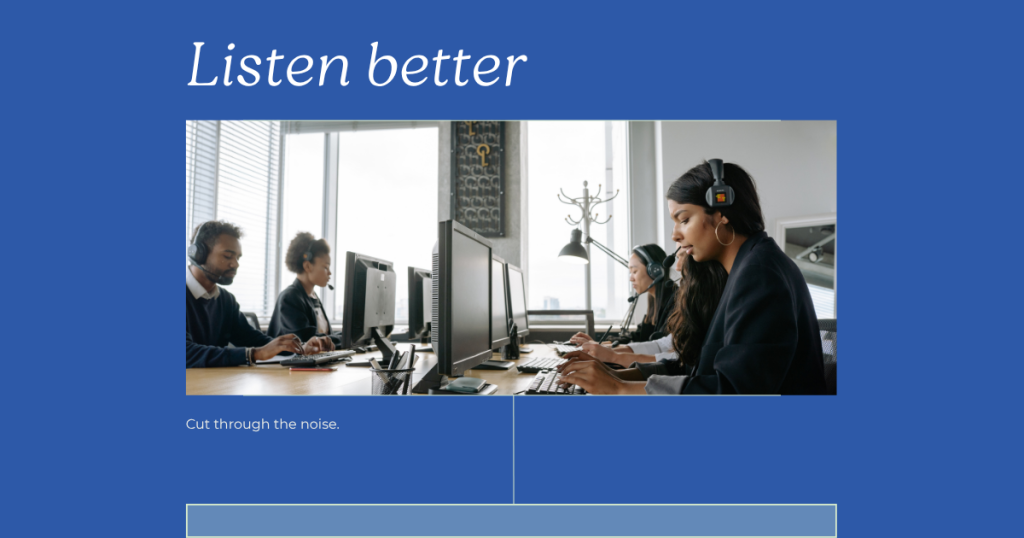
Listen better: Cut through the noise, people wearing headsets at computers in an office
26 September 2026

Listening at Work

Moving on before you have heard what someone wants to say is not efficient. It leads to misunderstandings and mistakes that have real, measurable costs. Plunging ahead with a message that is incomplete or comes from a different point of view is also not efficient. It ensures that the other person will fill in the blanks with their best guess (which will often not be what you had in mind).