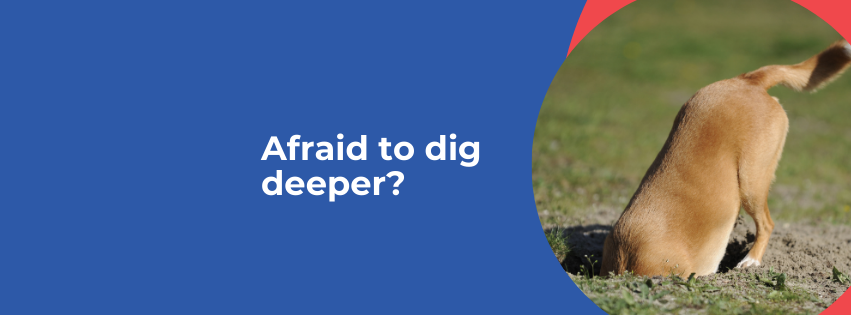
Do you believe that looking inside youself is great for people who like that sort of thing, but it’s not really for you? Or maybe you believe that your spiritual practice is a way of recovering from the world (not meeting it head on)?
Imagine this: you walk into a room and notice that everyone is tense. You wish they could just focus on doing their jobs. . . so you could focus on the next four hundred things on your to-do list. You try saying something to lighten the mood, but it just won’t life. What’s going on?
There’s a good chance that the tension you can’t shake is emanating from you. And because you can’t locate it, you can’t change it. Self-awareness is the key to influence because the self gives us two crucial pieces of information:
- What are we sending out into a conversation through our unconscious patterns (e.g. stress shows up in rhythm, vocal tension, and expression)?
- How are we filtering what we receive so that what we notice outside of us corresponds to a feeling or bias inside of us?
Even simple exercises in taking stock of our own physiology can have significant, positive impacts on how we understand our interactions. This is not ‘touchy feely.’ This is evidence-based neuroscience. It’s not the way your individual mind works: it’s the way everyone’s brain/body systems work.
When you want or need to improve the connections you are making (at work or at home), and especially when you want to improve connections across different backgrounds or generations, you need to start with knowledge of what you are bringing into the interaction.
You might already be wearing a fitness tracker. Developing awareness of your body and thoughts takes effort, but it results in more actionable information, moment to moment, in both your thinking and your interaction with others.