The flip side of inspiration

15 August 2026

By Linda Ferguson

Child fell off bike

Do you own a vinyl album? It has two sides. They are not opposites, but they are both related and different. You can think of inspiration as one side of the album. It’s the feel-good side where you seek out the bright spots that support your belief in yourself and your goals.

What’s on the B side of inspiration? I think it’s bloody minded optimism. I was once told there was no hope for what I wanted to do with my business. My response was “then I guess we go on without hope.” That’s bloody minded optimism. To paraphrase a popular slogan, “it feels terrible and it works.”

When famous inventors spent many years on failed attempts before creating the thing that made them famous, they used bloody minded optimism. Every failure felt like failure and they didn’t stop. This is also true of the many people who were working on the same inventions at the same time and did not make it into the history books. What keeps them going is usually not the warm fuzzies of inspiration. It is a willful determination to see the obvious, to hear the criticism, and to keep going anyway.

It takes substantial support to keep picking yourself up and moving forward despite the odds. Despite the memes and clichés of solitary success, you need to know where to find a hug (if only figurative) and compensation (even if its ice cream) while you pick yourself up and reset after a fall. It’s true that you need to believe in yourself and it’s also true that is more likely if someone else cares for you and encourages you.

We all need encouragement and comfort. But we often lose track of the heart of those words. They don’t mean to make someone feel cozy and safe. They mean to make someone brave and strong. They mean you might get a pretty bandaid for your scraped knee but you are also going to be placed right back on the bike.

Who supports your own bloody minded optimism?

Share this post:

Related posts

Painting of a canal with a wooden walkway, trees and a red brick house
3 October 2026

Transformation starts in the senses

People want reframing to start with cleverness, a James-Bond-like ability to use a gadget or a quick move to change who is winning. But the beginning of reframing is framing: putting edges around a situation so that you can focus on the details inside the frame. Life is a movement between the moment, full of vivid details, and the future, which is hazy, moving, or shifting. Without movement we are stuck. Without the moment, we are lost in the haze.
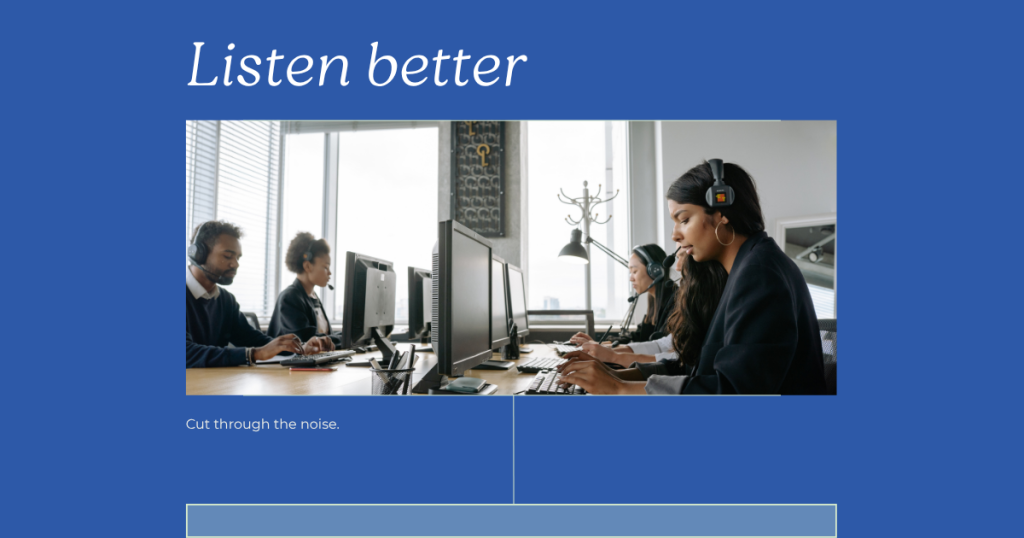
Listen better: Cut through the noise, people wearing headsets at computers in an office
26 September 2026

Listening at Work

Moving on before you have heard what someone wants to say is not efficient. It leads to misunderstandings and mistakes that have real, measurable costs. Plunging ahead with a message that is incomplete or comes from a different point of view is also not efficient. It ensures that the other person will fill in the blanks with their best guess (which will often not be what you had in mind).
Not Everyday, pair of red high-heeled shoes on a blue background
21 August 2026

How much thought do you give the everday?

What if you stop and really notice what you are doing? What if you ask yourself: is this going to achieve something good? What if you test a tiny change? It’s really hard to make big changes in the things we do every day. All our automatic behaviours pull us back into doing what we’ve always done. But a tiny change, chosen to require just a very small amount of willpower, can sneak through the filters. And the next day, because it takes just a very small amount of willpower, you might do it again. Until it becomes a new way of doing.